





Labels
Bottles from Bordeaux
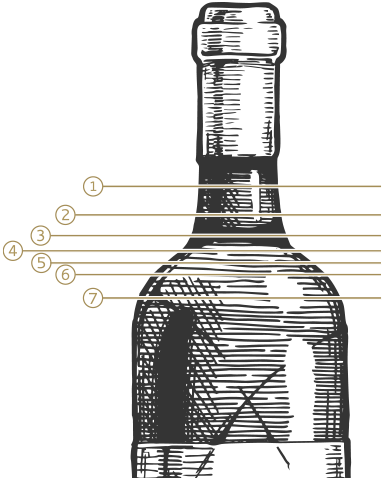
The terms below are indicative of the fill levels:


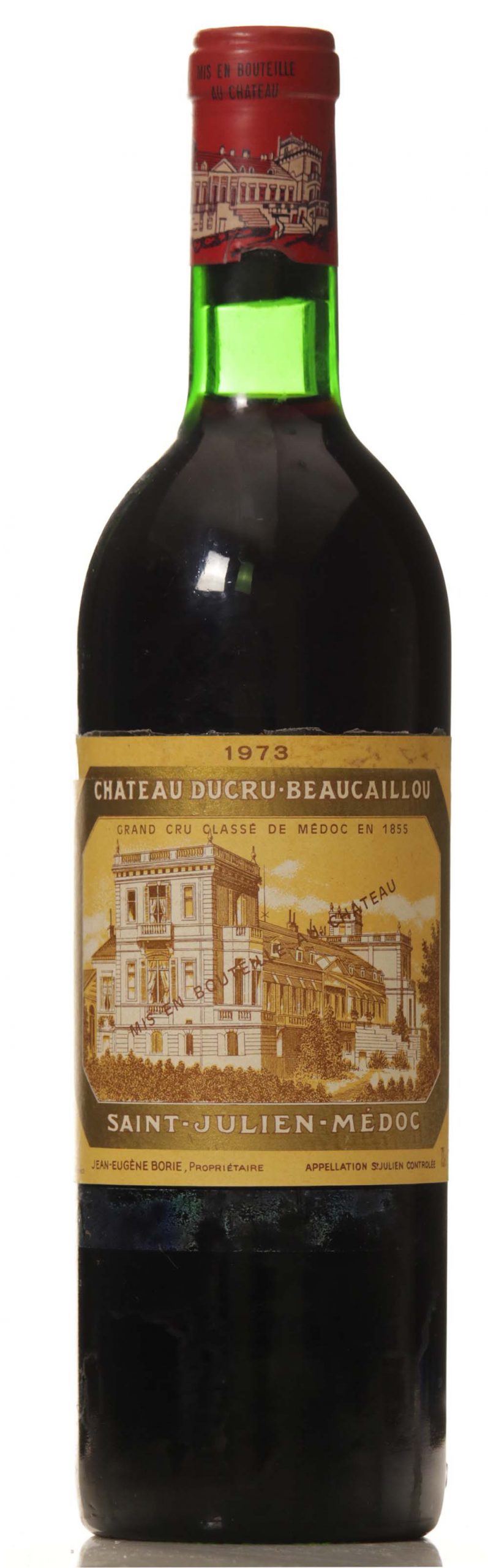
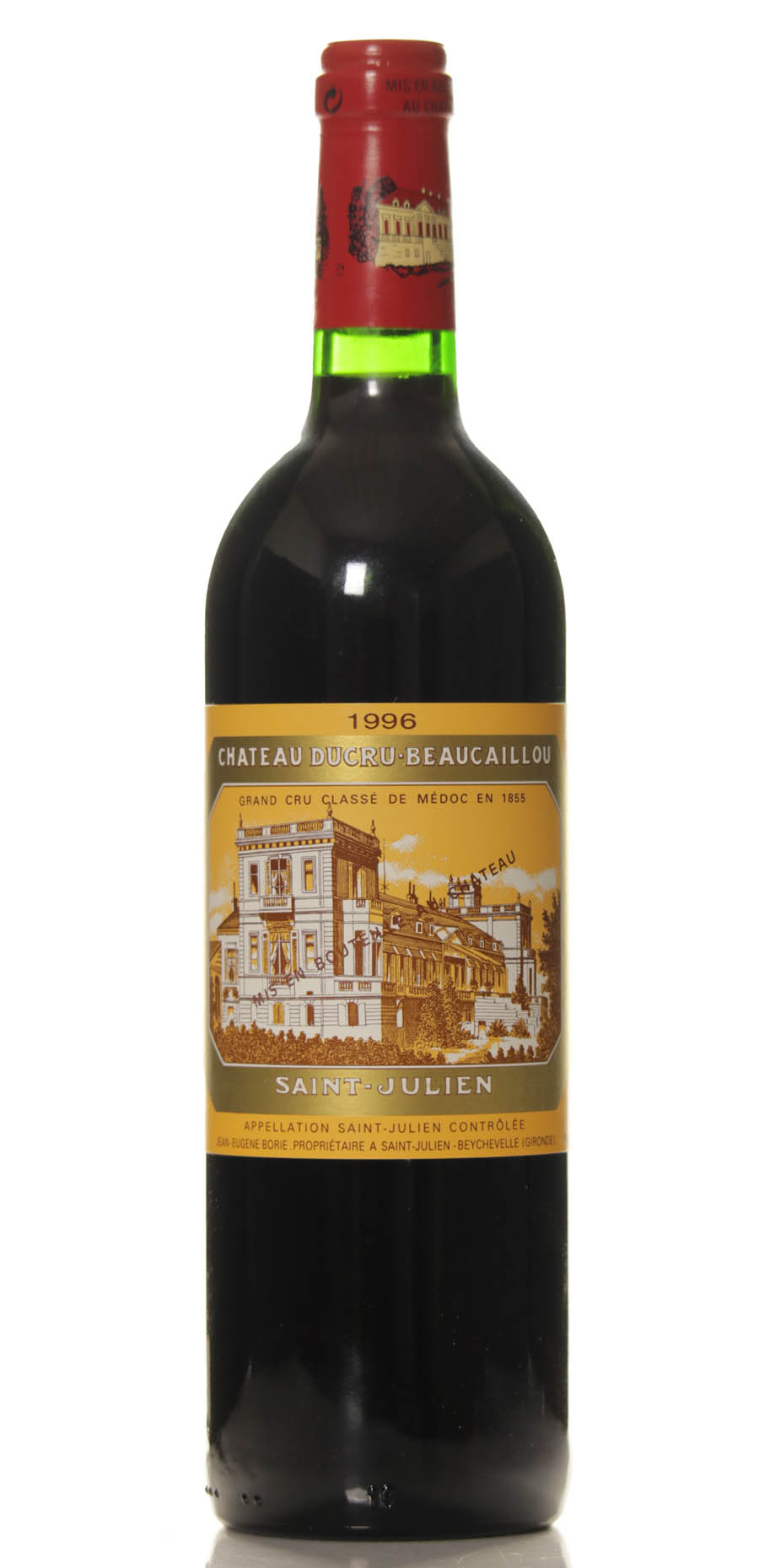
Ducru Beaucaillou 1973
Nicht vorrätig
Benachrichtigen Sie mich, sobald dieser Wein wieder verfügbar ist
Spezifikationen
| Country | |
|---|---|
| Region | |
| Sub Region | 2620 |
| Bottling | Estate Bottled |
| Type of Wine | Red wine |
| Vintage | |
| Bottle size | 0.75 L |
| Packaging | Loose |
| Rating Scale | 86-90 |
| Rating | 87 |
| Reviewer | Average |
Label |
adhesive tape on label |
| Capsule | good condition |
| Level |
bn |
Château Ducru-Beaucaillou is for many, the quintessential Saint Julien; a name revered by connoisseurs from the Home Counties of England to Oriental collectors. Under the aegis of Francis Borie and his son Jean-Eugène, a succession of admirable wines established Ducru-Beaucaillou as one of finest exponents of Cabernet Sauvignon in the whole of Bordeaux…The vines of Château Ducru-Beaucaillou cover 50-hectares that surround the château building, stretching down the escarpment towards the bank of the Gironde estuary though stopping short of the actual river where the alluvial soils are too fertile for vine production. The soil profile consists of a 6 to 8 metre bed of Gunzian gravel characterized by visibly large stones originating from the Massif Central and the Pyrenees. These stones, which can measure up to 2.5 inches in width, benefit drainage and aeration (the name Beaucaillou literally translates as “beautiful stones”.) The percentage of grape varietals planted are 65% Cabernet Sauvignon, 25% Merlot, 5% Cabernet Franc and 5% Petit Verdot although the latter pair rarely end up in the final blend such as in 2002. The average vine age is 38 years planted at a density of 10,000 vines per hectare.